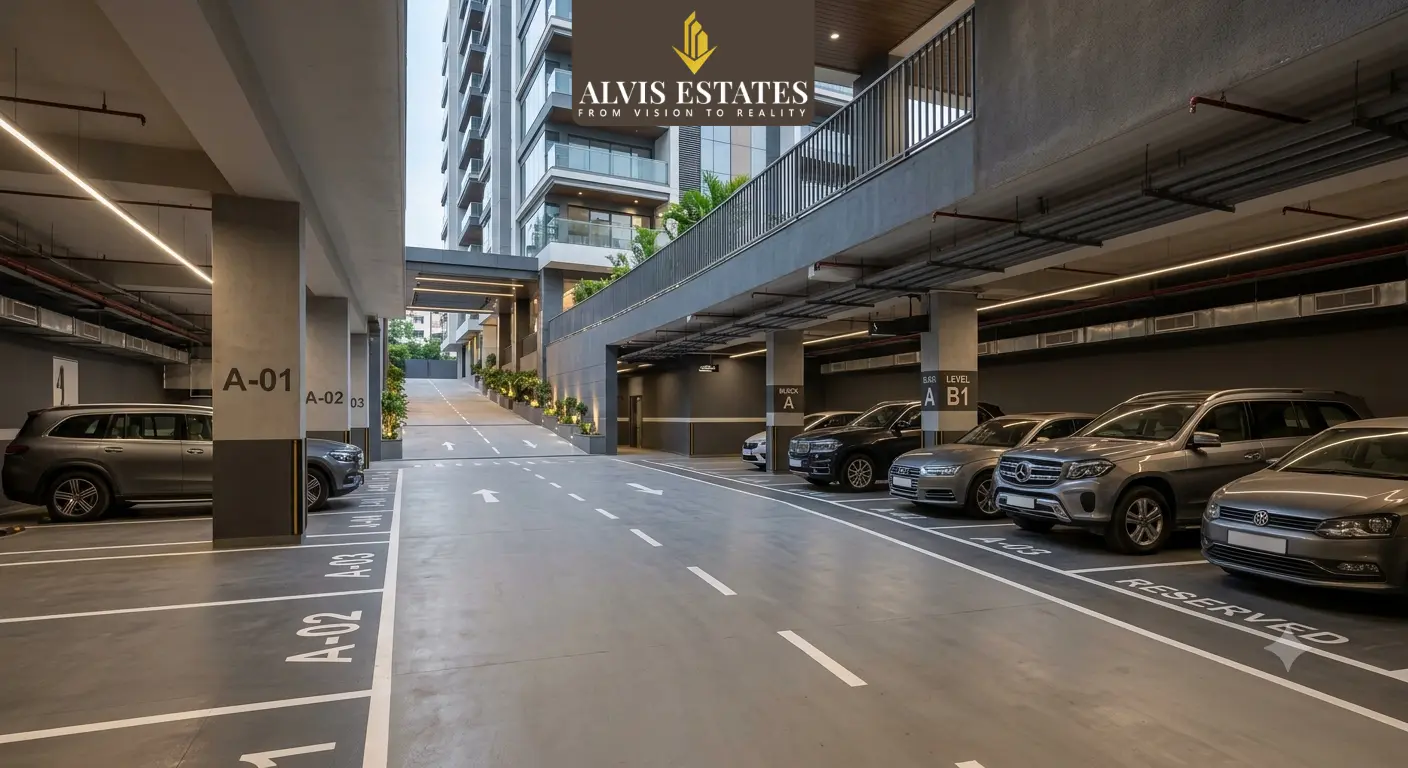
Parking Rights in Apartment Complexes: What Buyers Should Check
The purchase of an apartment includes not only an evaluation of its location, layout, and facilities. Parking is another key aspect that can influence convenience and satisfaction for years to come. An apartment may seem perfect when viewed during a visit to the site, but if the issue of parking remains uncertain, it can become a source of additional costs and conflicts once the property is purchased.
Some precautions are to be taken by potential buyers before committing to the transaction.
Understand the Types of Parking Available
Parking facilities in apartment projects vary from one project to another based on their designs and approved plans.
- Open parking: These spaces are available in open places within the residential project. The availability and use of these spaces depend on the design of the project and the rules guiding it.
- Covered parking: These spaces are under a roof or in covered structures. The buyer must be sure about the space being sold and its inclusion in the right documents.
- Stilt parking: These are spaces which are usually found underneath a building supported by columns. The buyer must be sure about the space being sold and its inclusion in the approved building plan.
- Basement parking: These spaces are underground. The buyer must be sure about the access ramp, lighting, ventilation, drainage, and vehicle clearance.
The existence of a parking space does not mean that it is owned. The ownership depends on the relevant documents and the nature of the space.
Read the Sale Agreement Carefully
One of the key things you should do is see what the sale agreement states regarding parking arrangements. You cannot take a sales person’s statement or something written in promotional material at face value.
Find out whether the price of parking is included in the price of the flat; whether a certain parking spot has been allocated and whether any extra payments apply. If the developer has guaranteed an allocation of a parking place, make sure you have it in writing and that it corresponds with all the necessary project documents.
Prior to signing, find out these things:
- Is parking included in the cost of the sale?
- Have they assigned any particular parking spot for the apartment?
- Can anything change about your parking arrangement?
- Are there separate fees for parking maintenance?
- What if the spot allocated to you will be missing?
Make copies of your agreement, letter of allotment and any other related letters.
Check the Project’s Approved Plans
The parking arrangement should conform to the approved plans and the regulations. The buyer should ask for an explanation from the developer or the seller regarding the parking areas and the respective documents.
In the case of construction in India, the legal status of open, stilt, and other parking areas may vary depending on their classification and the law that applies. In the case of Nahalchand Laloochand Pvt. Ltd. v. Panchali Cooperative Housing Society Ltd., the Supreme Court ruled regarding the sale of stilt parking areas under the Maharashtra Ownership Flats Act.
It is important for buyers not to assume that all parking areas can be sold or owned individually.
Inspect the Space Before Making a Decision
The parking spot might seem fine on paper but be problematic to use in reality. While doing a site visit, ensure that you examine the measurements of the parking space as well as the ease of entry and exit and proximity to the building entrance.
If you drive a big car or an SUV, then the clearance height, angle of the ramp and parking maneuvering space become important to look out for. You should be checking for any pillars or walls that may affect parking.
Moreover, examine the condition of the basement parking spots. Poor drainage system, lighting system, water leaks and limited access may be problems in using the parking spots every day. For instance, when buying a flat for elderly members or for those with difficulty walking, check the distance between the parking lot and the elevator.
Understand Visitor Parking and Society Rules
The parking area for visitors is distinct from the parking space provided to the residents. Some apartments offer specific visitor parking facilities while others limit parking.
Find out from the developer or residents’ organization how visitors can park and whether registration is necessary in advance. Also check the parking policies of the society that may define vehicle allocation, access control, parking fees, and limitations on blocking common areas.
Clarify Maintenance and Dispute Procedures
Ensure that you know who maintains the parking area and who pays for the lighting, cleaning, security, and repair costs. Ensure that you have gone through the relevant maintenance arrangements prior to making the purchase.
In case of any dispute, ensure that you retain all the documents relating to the sale, payments, parking arrangements, and correspondence. Raise the matter through the proper management channel.
Make Parking a Part of Your Property Checklist
It is essential that buyers find an effective way of parking which will add convenience to apartment life and save one from avoidable conflicts. One should analyze the sales agreement, check the approved plans, inspect the available space, and learn about the regulations within society to make an appropriate choice. It is with the help of Alvis Estates that buyers are provided the opportunity to choose homes in Mohali.